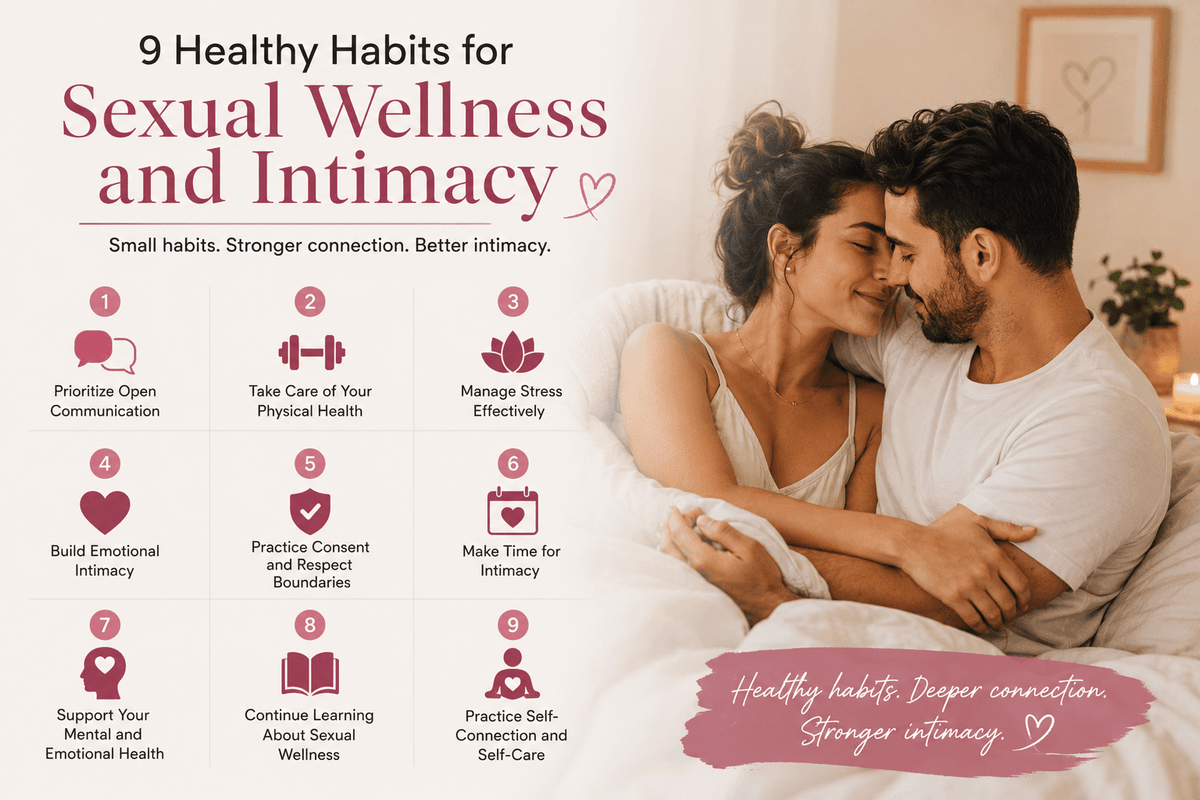
Sexual wellness is no longer a taboo topic—it's an essential part of overall health and well-being.
Just as we prioritize physical fitness, mental health, and nutrition, caring for our sexual health deserves the same attention and openness.
In recent years, conversations around sexual wellness have evolved from focusing solely on reproductive health to embracing a more holistic approach that includes emotional connection, self-confidence, pleasure, intimacy, and education.
What Is Sexual Wellness?
Sexual wellness refers to a state of physical, emotional, mental, and social well-being related to sexuality. It encompasses:
- Understanding your body and sexual health
- Practicing safe and consensual intimacy
- Maintaining healthy relationships
- Supporting emotional and mental well-being
- Exploring pleasure in a responsible and informed way
- Accessing accurate sexual health information
Sexual wellness is personal and unique for every individual, regardless of age, gender, relationship status, or sexual orientation.
Why Sexual Wellness Matters
1. Improves Mental Health
A healthy relationship with your sexuality can boost self-esteem, reduce stress, and improve overall life satisfaction. Feeling comfortable discussing desires, boundaries, and concerns can lead to stronger emotional well-being.
2. Strengthens Relationships
Open communication about intimacy helps build trust and connection between partners. Understanding each other's needs and expectations creates healthier and more fulfilling relationships.
3. Supports Physical Health
Regular health screenings, safe sex practices, and awareness of sexual health issues contribute to better physical wellness and disease prevention.
4. Encourages Self-Confidence
Learning about your body and understanding what feels right for you can foster confidence and empower personal decision-making.
Common Myths About Sexual Wellness
Myth #1: Sexual wellness only matters if you're in a relationship.
Reality: Sexual wellness is important whether you're single, dating, married, or not sexually active.
Myth #2: Talking about sexual health is embarrassing.
Reality: Open conversations with healthcare professionals and trusted partners are key to maintaining sexual health.
Myth #3: Sexual wellness is only about sex.
Reality: It includes emotional intimacy, consent, body image, self-care, education, and overall well-being.
Tips for Better Sexual Wellness
Prioritize Communication
Honest conversations about boundaries, desires, and expectations create healthier relationships.
Stay Educated
Seek information from reputable healthcare providers and evidence-based sources.
Practice Safe Sex
Use protection, get tested regularly, and understand your sexual health status.
Focus on Self-Care
Manage stress, exercise regularly, get enough sleep, and maintain a balanced diet—all of which can influence sexual health.
Respect Consent
Consent should always be clear, enthusiastic, and ongoing in every intimate interaction.
The Future of Sexual Wellness
The sexual wellness industry continues to grow as society embraces education, inclusivity, and self-care. From telehealth consultations to wellness products and digital resources, people now have more access than ever to tools that support healthy and informed sexual lives.
Final Thoughts
Sexual wellness is an important component of overall health. By fostering education, communication, consent, and self-awareness, individuals can build healthier relationships with themselves and others. The more openly we discuss sexual wellness, the more empowered people become to make informed decisions that enhance their quality of life.
Remember: Sexual wellness is not about perfection—it's about understanding, respect, health, and personal well-being.